Una Copa · Grape school
Old-vine Viura: two villages, two white Riojas
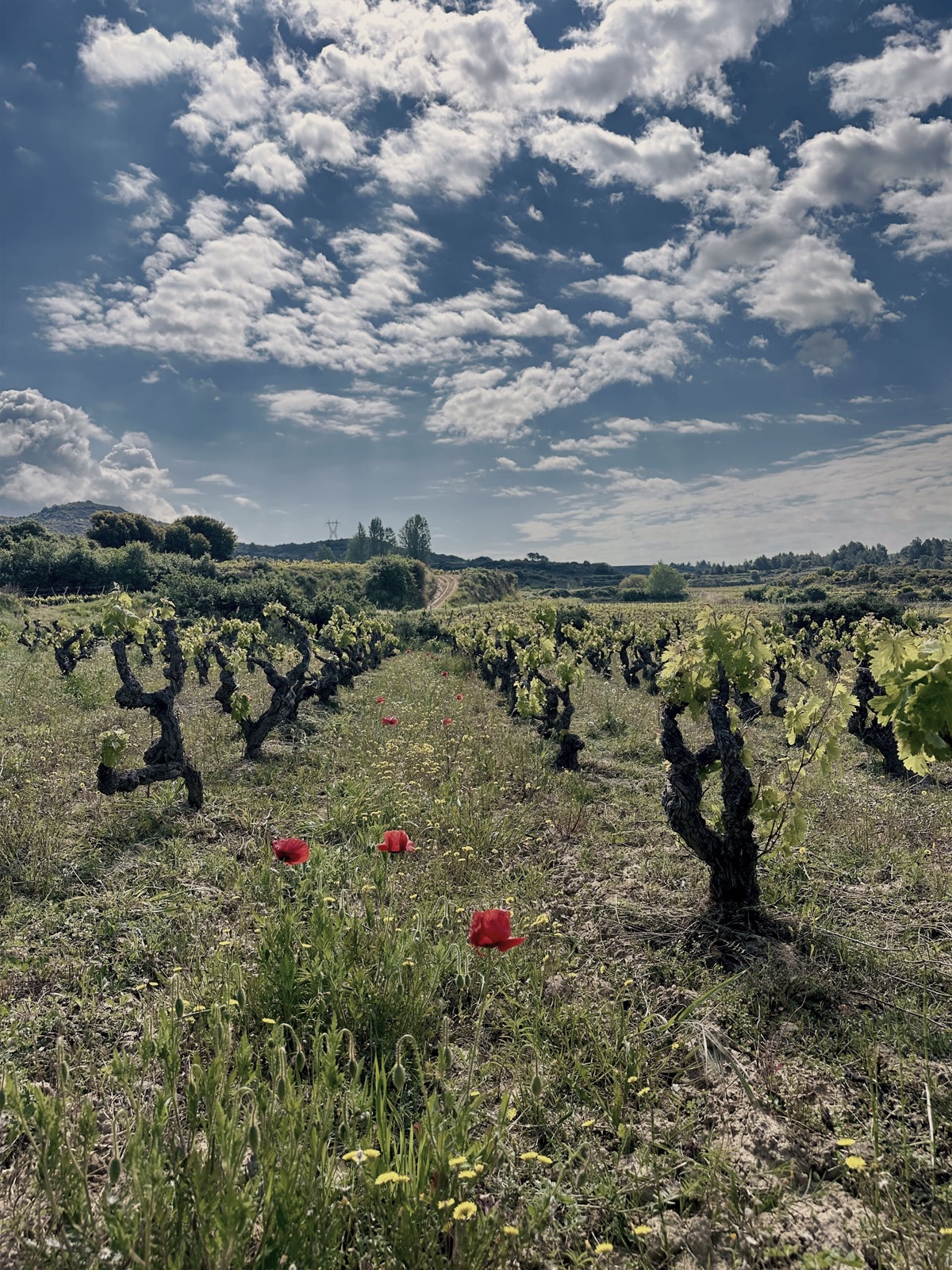
For a long time, Viura was the grape everyone in Rioja grew and nobody talked about. It was planted for volume, made in bulk and poured because it was there. Ask most British wine drinkers about white Rioja and you'll get a blank look, or a memory of something tired and woody.
That’s a shame, because given old vines and a grower who cares, Viura is one of Spain’s most rewarding whites. You may already know it under another name: in Catalonia it’s called Macabeo, and it’s one of the backbone grapes of Cava. In Rioja, from old vineyards, it makes something quite different — textured, savoury and built to last.
Two of our growers make it, about an hour apart, and comparing them is the best lesson in Viura we know.
Labastida: Makarralde
Área Pequeña’s Makarralde comes from a single Viura parcel at the foot of the Sierra de Toloño in Rioja Alavesa. The soil is limestone — very sandy and very shallow — which keeps the vines working hard and the fruit concentrated.
The brothers pick by hand into crates and press the grapes straight away, then ferment the juice in 500-litre French oak barrels. The wine stays there for ten months on its lees, the spent yeast that settles after fermentation, which they stir and tend carefully. That lees work is what gives the wine its texture.
The result is straw-coloured with faint copper glints, smelling of nuts and ripe fruit with a floral, slightly spicy background. In the mouth it’s silky, almost unctuous, with a citrus finish that keeps it lively.
Cordovín: La Aguzadera
Bodegas Iván del Río’s La Aguzadera comes from a Viura vineyard planted in 1970 in Cordovín, in the cool, Atlantic-influenced Alto Najerilla. It’s fermented in 500-litre bocoyes and then aged for five months on its lees.
It’s the brighter, fresher of the two: citrus, pineapple and apple, with a little bakery note that grows as the wine sits in the glass. The palate is fresh and fruity with real body, and a long finish.
Why the big barrels?
Both wines spend their time in 500-litre barrels rather than the classic 225-litre Rioja barrica. That’s a deliberate choice. In a bigger barrel there’s much less wood in contact with each litre of wine, so the oak adds texture and gentle breathing room without the vanilla and toast that gave old-style white Rioja its reputation. The fruit and the place do the talking.
What to look for
If you want to find good Viura, a few clues on the label help:
- Old vines, or a planting date. Old Viura vines give smaller crops of more concentrated fruit.
- A named vineyard or village. Single-parcel wines like Makarralde and La Aguzadera are made to show a place, not a house style.
- Time on lees. It’s often mentioned on the back label, and it’s the difference between a thin white and a textured one.
What to eat with it
Old-vine Viura has the weight to stand up to proper food. Some of our favourite matches:
- Smoked haddock, whether in a chowder, a kedgeree or with a poached egg.
- Roast chicken with lemon and thyme.
- Hard cheeses — an aged Manchego, or a good farmhouse Cheddar.
- Pork belly or anything off the grill, especially with a bright salsa.
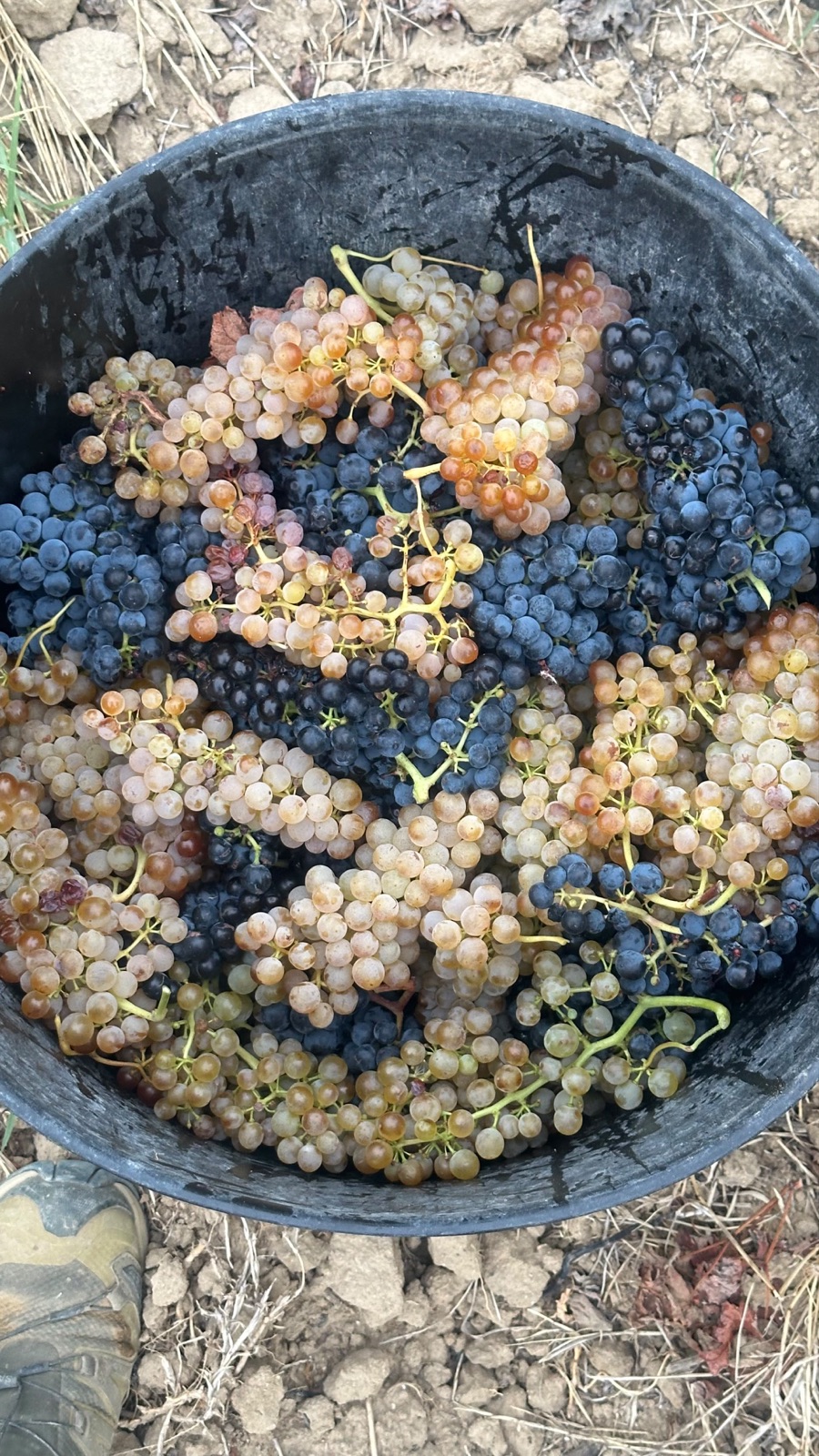
Viura also turns up elsewhere in our growers’ cellars. It grows in among the Tempranillo in Área Pequeña’s 1920 Los Llanos vineyard, and in Cordovín it’s traditionally picked alongside Garnacha to make clarete, the village’s own pale wine. Not bad for a grape nobody talked about.
- Viura
- White Rioja
- Old vines
Meet the producers
-
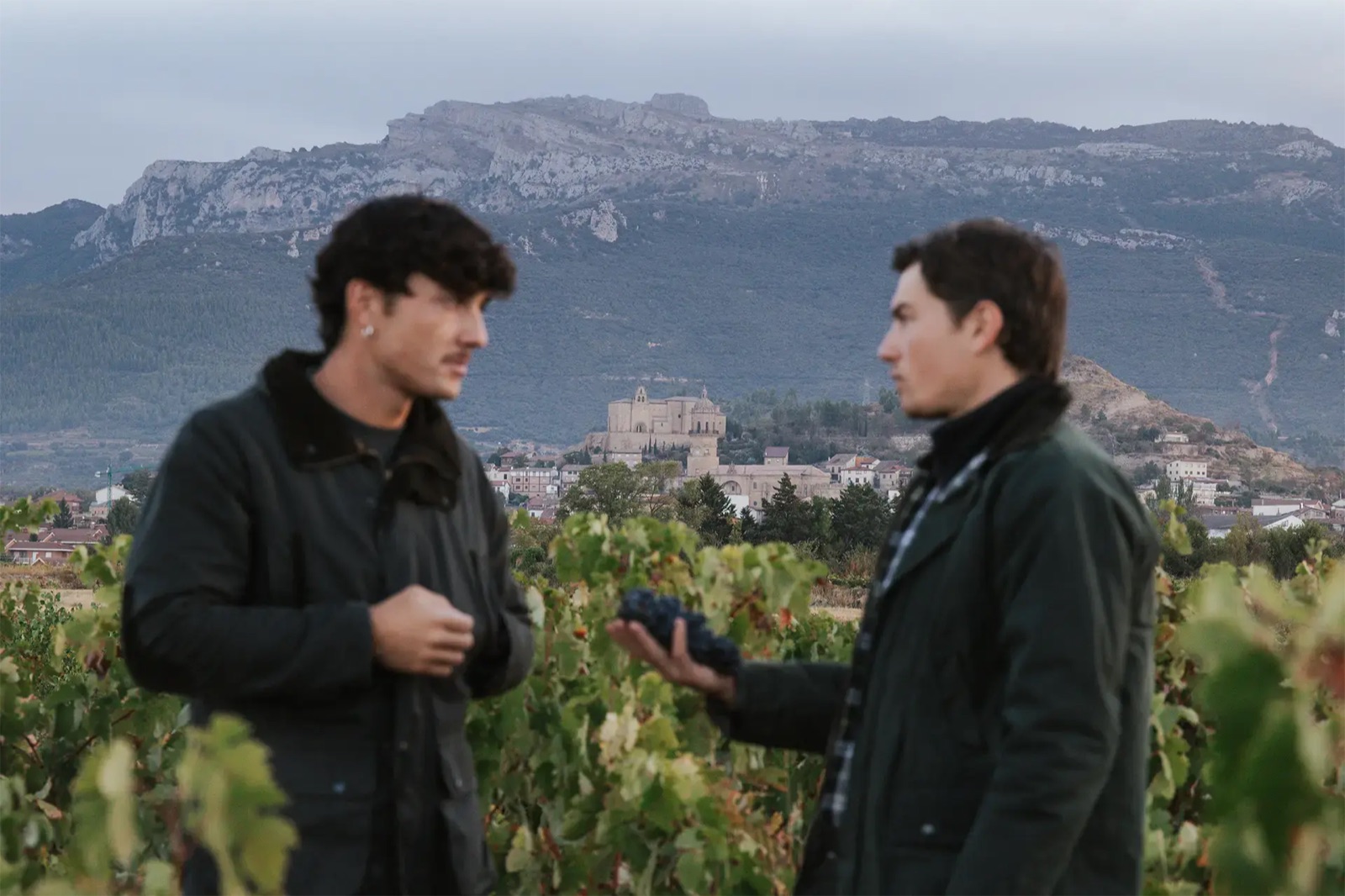 Labastida · Rioja Alavesa
Área Pequeña
Two brothers, a family's old vines and a village beneath the Sierra de Toloño. Single-parcel Rioja Alavesa with nothing to hide.
-
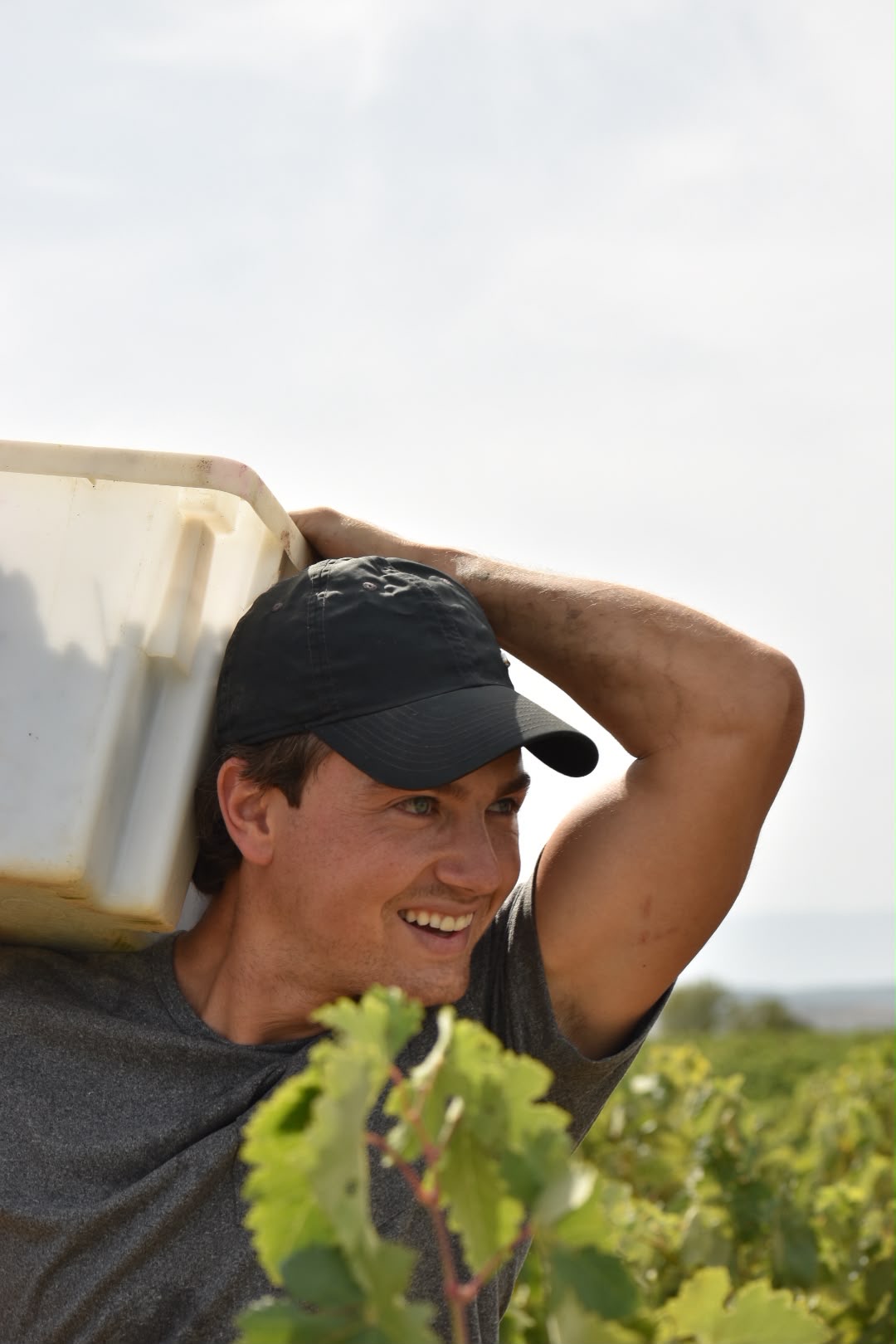 Cordovín · Alto Najerilla, Rioja
Bodegas Iván del Río
Old-vine Garnacha and Viura from a village in the Alto Najerilla, and a modern take on Cordovín's centuries-old clarete.
The newsletter
Una Copa, in your inbox.
New stories from the boutique wineries we work with, notes from the vineyard and the cellar, and the odd recipe. No spam, and you can unsubscribe at any time.