Una Copa · Wine & history
Clarete: the pale wine Britain named, then forgot
Ask for a glass of claret in a London wine bar and you will be poured red Bordeaux, probably something serious and probably something dark. But the word didn't start out meaning anything of the sort. Follow it back far enough and it means almost the opposite: a pale, clear, bright wine. And in one small village in Rioja, they never stopped making it.
A word with a past
“Claret” comes from the old French clairet, a light, pale red that was the everyday drink of medieval Bordeaux. When Eleanor of Aquitaine married the future Henry II in 1152, Bordeaux came with her, and for the next three centuries those pale wines sailed up the Thames by the shipload. The English took the word, kept it, and slowly let the wine it described get darker and grander until “claret” became shorthand for the best red Bordeaux money could buy.
Spain has its own version of the word, from the same root as claro, clear. In most of the country clarete faded into a footnote. In Cordovín it is still the village wine.
Red and white, picked together
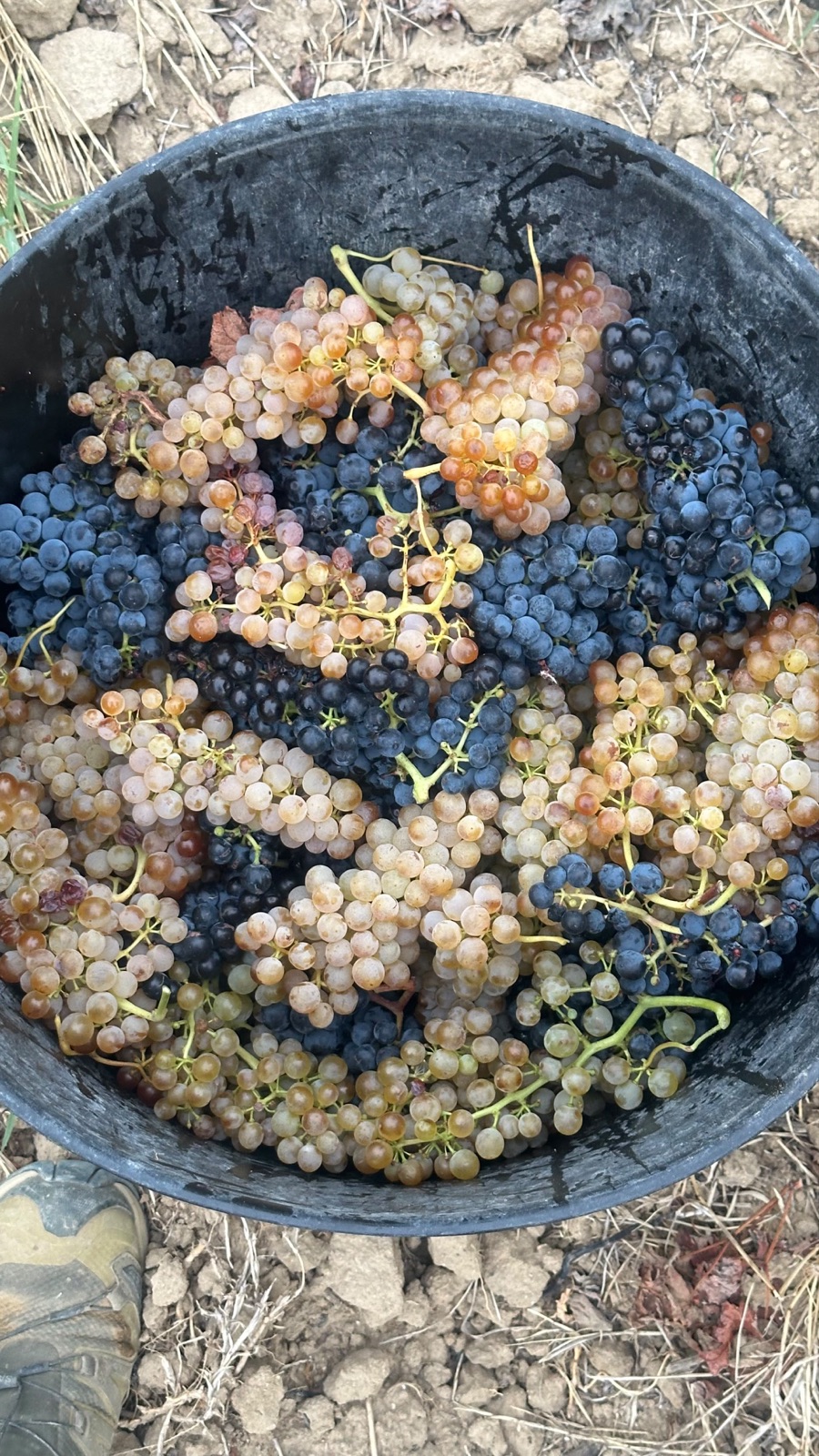
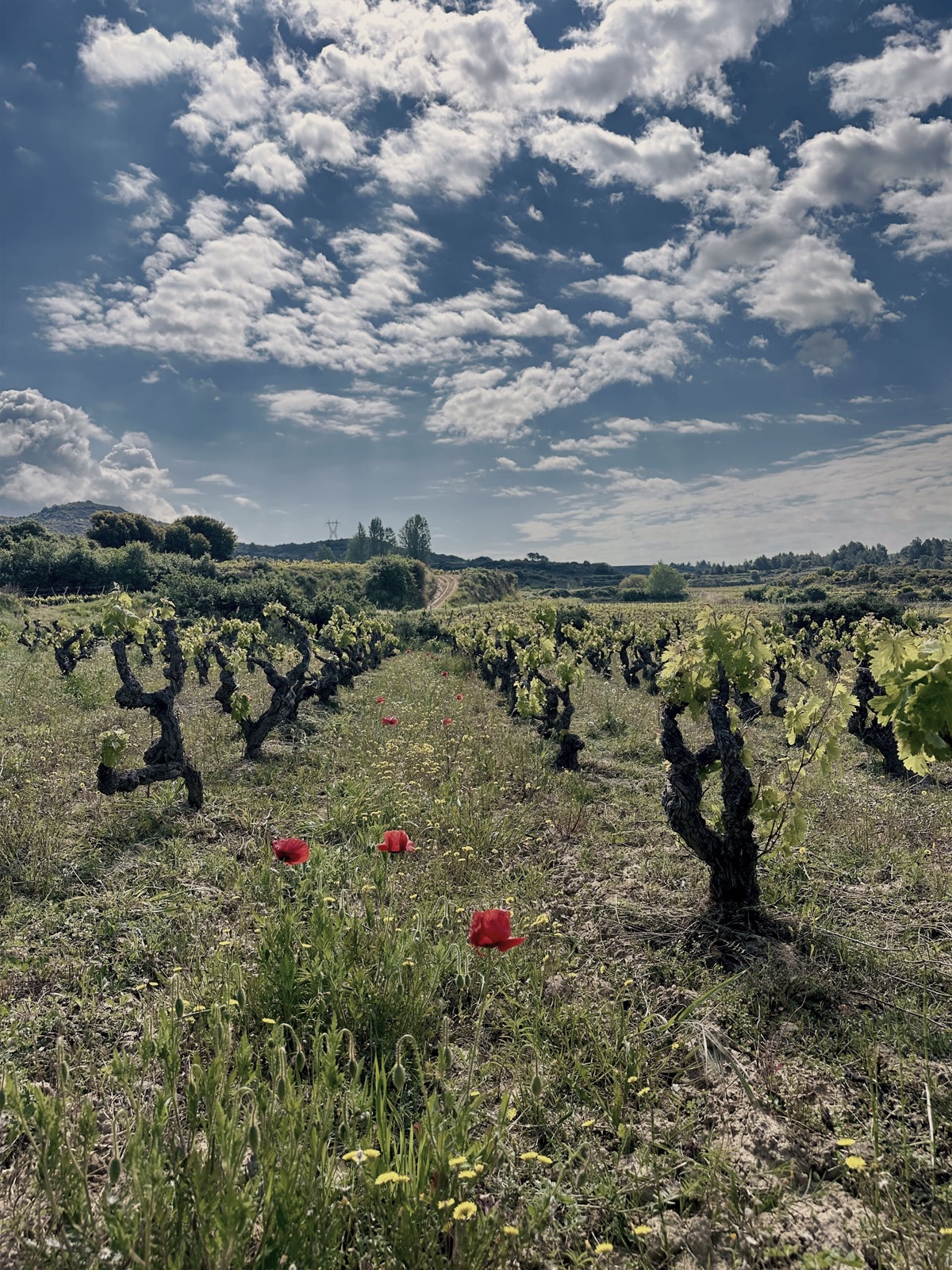
Cordovín sits in the Alto Najerilla, a cool, green valley in the western corner of Rioja, ten minutes from the monasteries of San Millán de la Cogolla. The traditional way to make clarete here is disarmingly simple: pick red Garnacha and white Viura together, put them in the press and press them straight away. The juice spends almost no time on the dark skins, so it comes out a very pale copper, and the wine that results is fresh, light and easy to love.
It isn’t quite a rosé, which is usually made from red grapes alone, and it certainly isn’t a red. It is its own thing, tied up with the history of the village and the valley — the kind of wine that was made to be drunk with lunch, by people who had worked the vines that morning.
Iván’s take
Bodegas Iván del Río is a family bodega in Cordovín’s Barrio de San Martín, the old cellar quarter, and Iván has made a point of keeping clarete alive — just not in aspic. His clarete holds on to the character of the old wine but uses only the mosto flor, or lágrima: the free-run juice that flows from the ripest grapes before any real pressure is applied. It is the purest, most delicate juice in the press, and it makes a finer, more precise wine.
His parcel clarete, La Danzadora, takes the idea further. It comes from a single Garnacha vineyard in Cordovín planted in 1972, is fermented in 500-litre bocoyes — barrels more than twice the usual size, so the oak whispers rather than talks — and rests three months on its lees. The name is a nod to Las Danzas, Cordovín’s traditional dances, which the village traces back to the year 1050. In the glass: lively acidity, fresh red fruit and stone fruit, and a finish that goes on far longer than a wine this pale has any right to.
Fresh, light and very versatile — and deeply tied to the history of the village. How Bodegas Iván del Río describes clarete
How to drink it
Clarete is the wine to reach for when you can’t decide between white and red, or when the table can’t. A few ideas from our own kitchens:
- Serve it cool, not cold. Twenty minutes in the fridge, rather than a night. Too cold and you lose the fruit.
- Sunday roast chicken. Enough body for the gravy, enough freshness for the stuffing. This is clarete’s natural habitat.
- Charcuterie and a hunk of hard cheese. Exactly what they serve with it in Cordovín, where the tastings come with Riojan chorizo and cheese.
- A Friday curry. Low tannin and bright acidity make it far kinder to spice than most reds.
- Boxing Day leftovers. Cold turkey, ham, pickles, cheese — clarete handles the whole board.
The next time someone at the table orders “the claret”, it might be worth telling them what the word used to mean — and pouring them a glass of what it still means in Cordovín.
- Clarete
- Garnacha
- Viura
- Cordovín
- Rioja
Meet the producer
The newsletter
Una Copa, in your inbox.
New stories from the boutique wineries we work with, notes from the vineyard and the cellar, and the odd recipe. No spam, and you can unsubscribe at any time.