Una Copa · Producer
Ataraxia: two brothers, one village and no hurry
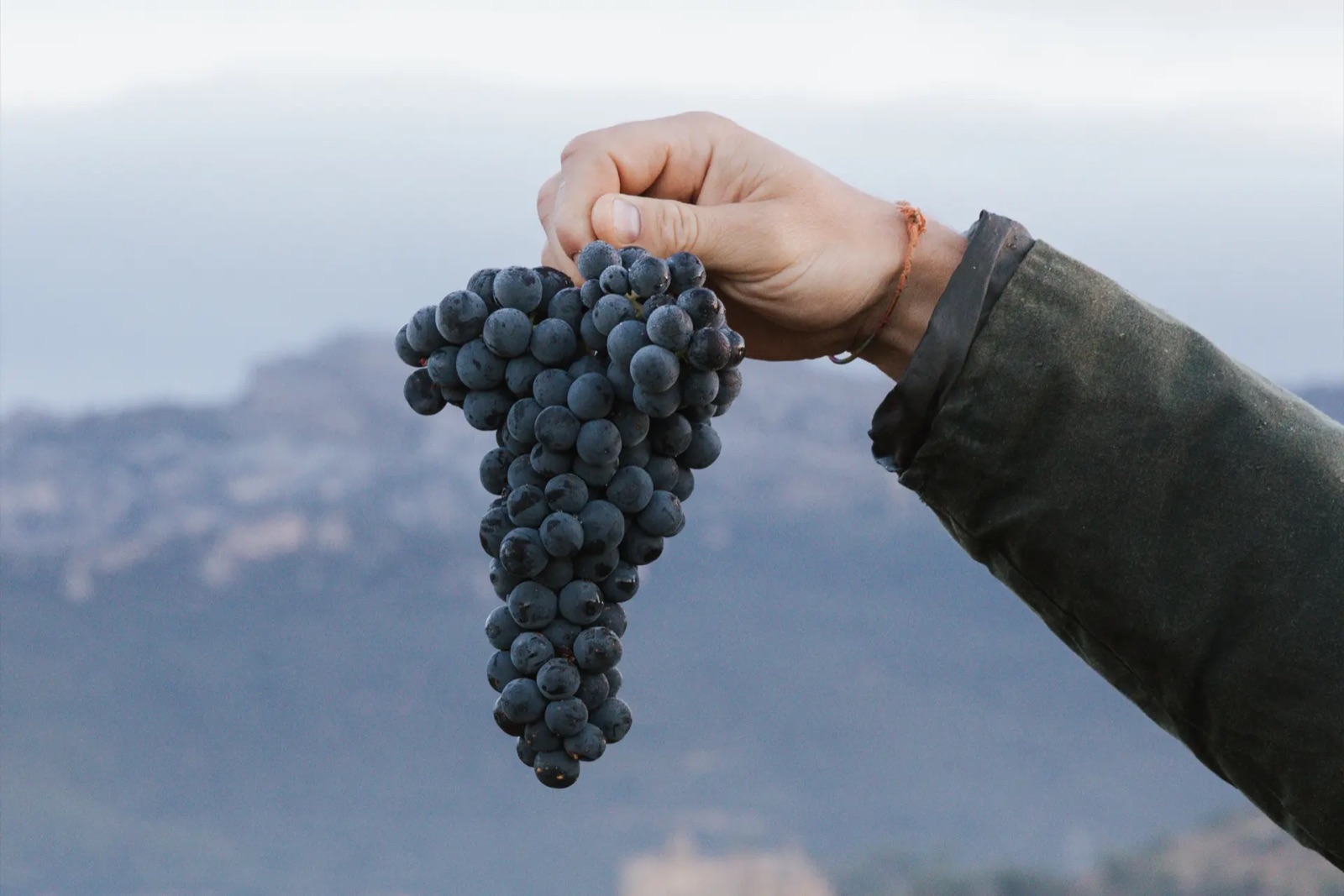
Open Área Pequeña's website and the first thing you see is a single word: Ataraxia. It's Greek, borrowed by the ancient philosophers for a state of calm — untroubled, unhurried, at peace with whatever the day brings. Underneath it, in Spanish, is the motto the brothers farm by: work today without waiting for tomorrow; tomorrow will be another today.
It is a slightly unexpected thing to find at the top of a winery’s home page. It also turns out to be the best way into what Koldo and Joseba García Quintana are doing in Labastida.
Grapes for other people
Both the García and the Quintana names have long been tied to the vines in Labastida, and for most of that time the family did what most families here did: grew grapes and sold them to the bodegas in the area. The fruit disappeared into someone else’s tanks and came out under someone else’s label.
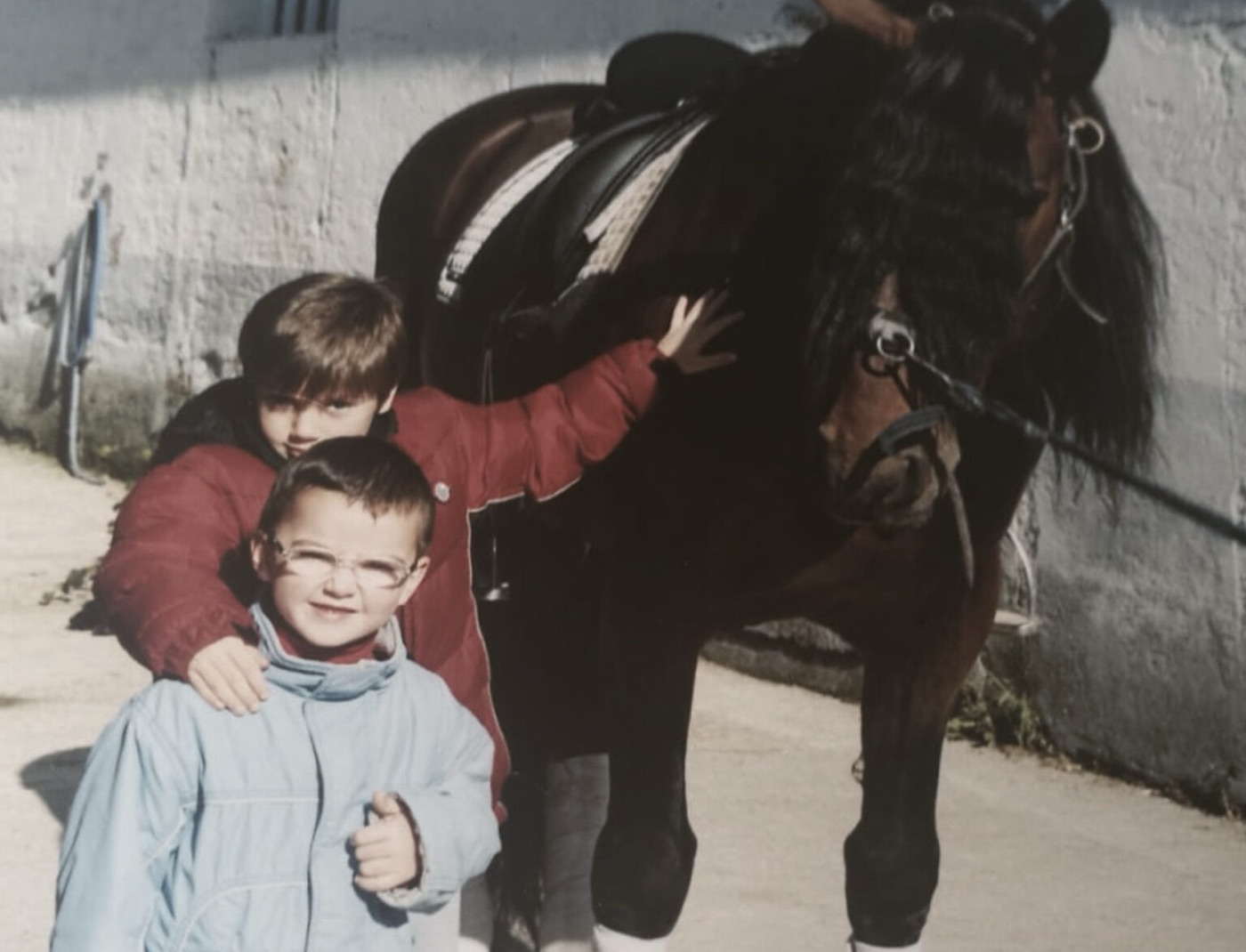
In 2018 the brothers took over the family’s small vineyard holding with a clear aim: to give each of their parcels more value, and to set themselves apart. They started by reinforcing their relationship with the soils and the landscape, moving to ecological farming, and steering their grapes towards bodegas that understood the work. Then they began making wine themselves from the plots with the most complex soils — each one separately.
A vineyard older than Rioja itself
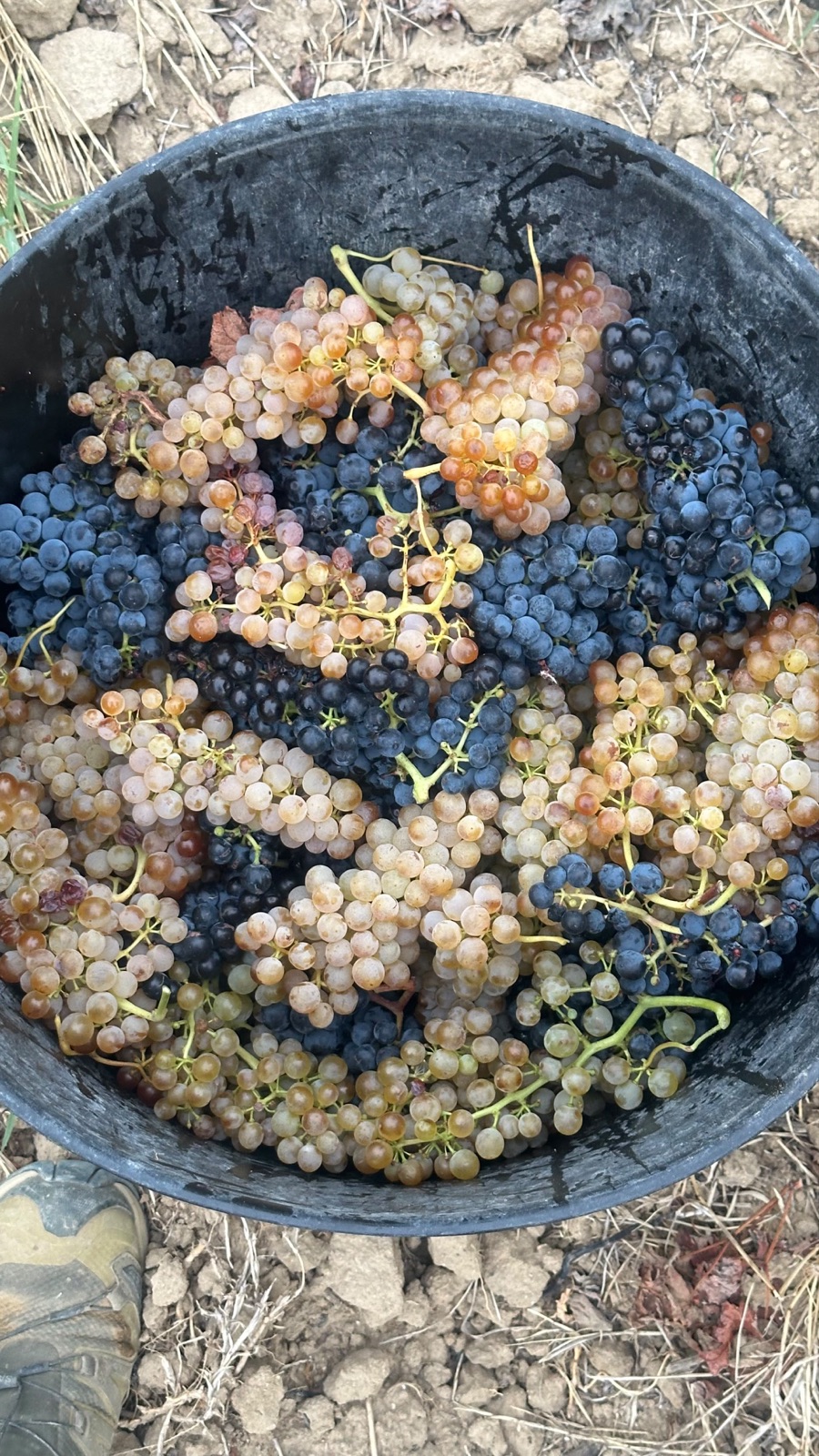
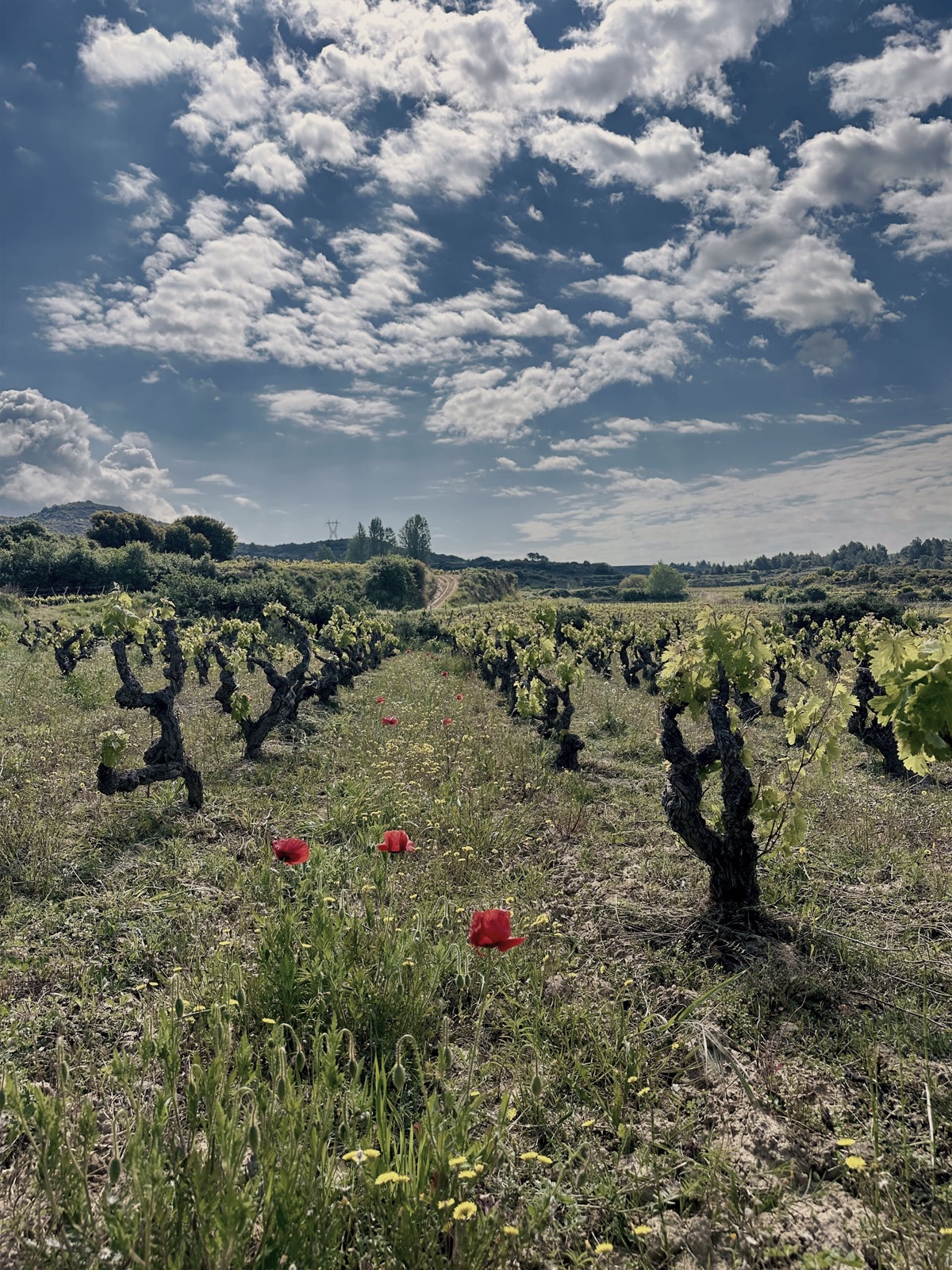
The first of those was Los Llanos. In 2020 friends at Bodegas Tierra gave the brothers the chance to vinify it for the first time. It is a single vineyard beneath the Sierra de Toloño, planted in 1920 — a few years before Rioja became Spain’s first official wine region in 1925 — on clay and limestone with a sandy surface. Like many old Rioja vineyards, it isn’t one grape but a community: mostly Tempranillo, with Garnacha and Viura growing among it.
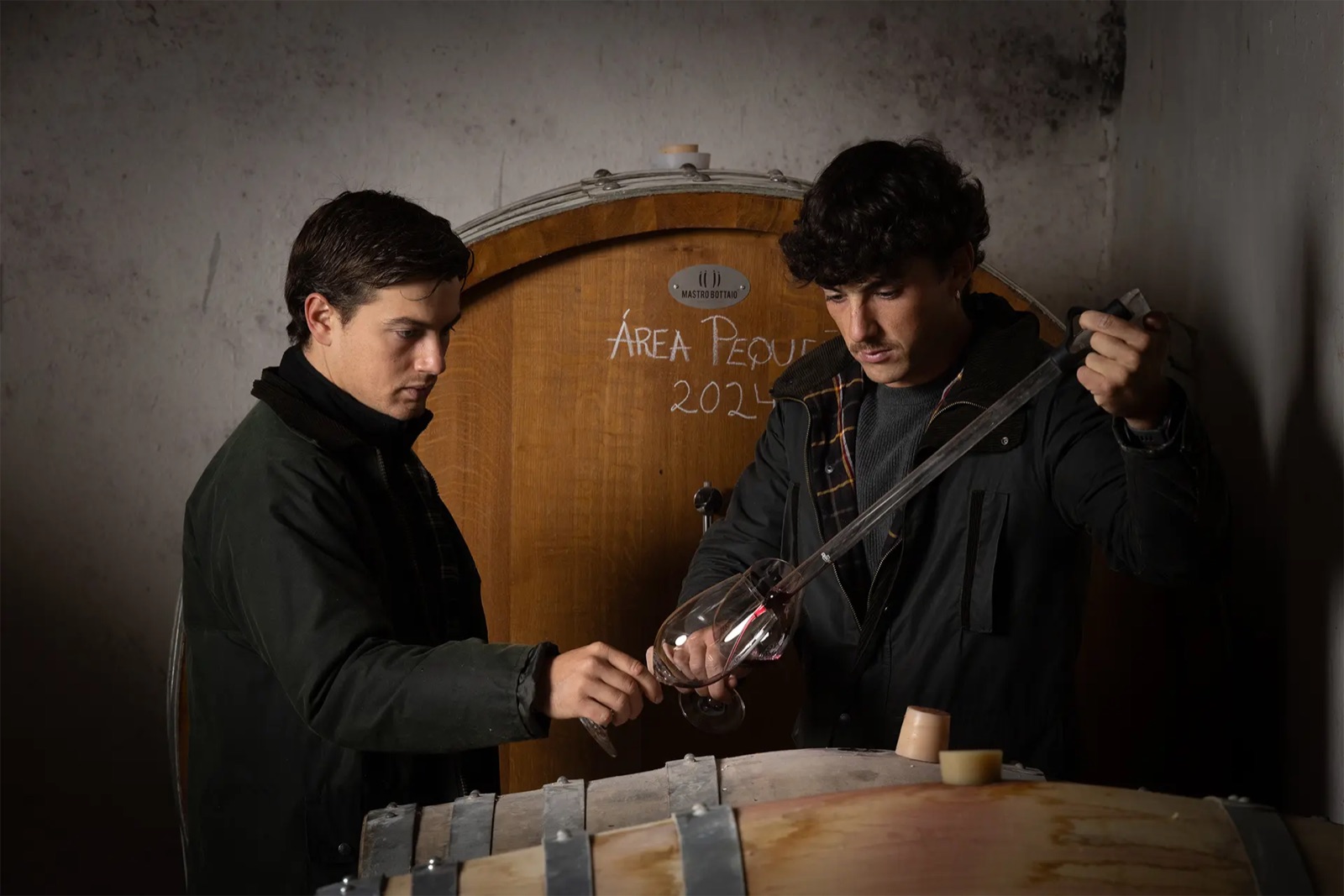
The wine is made with patience to match. Hand-picked into small crates and fermented with wild yeasts, it spends sixteen months in a large 1,500-litre foudre and 500-litre barrels, then around five months in a concrete egg while the parts settle into a whole. It goes into bottle without being stabilised, fined or filtered.
Four wines, one map
What has followed is a small range that reads like a map of the village:
- García Quintana — the family name, and a blend from their old vineyards meant to capture Labastida as a whole. Tempranillo and Garnacha, fresh and floral.
- Los Llanos — the 1920 vineyard, and the wine that started it all.
- Garnacha — from a single sandy, limestone-rich parcel at 640 metres, high up under the Toloño. Fine, fresh and spicy.
- Makarralde — a white from one Viura parcel on shallow, sandy limestone, fermented and aged on its lees in French oak.
None of them tastes like the Rioja many British drinkers grew up with — the gold-netted Gran Reserva, all vanilla and old leather. These are wines about where they grew, not how long they spent in a barrel.
The village under the mountain
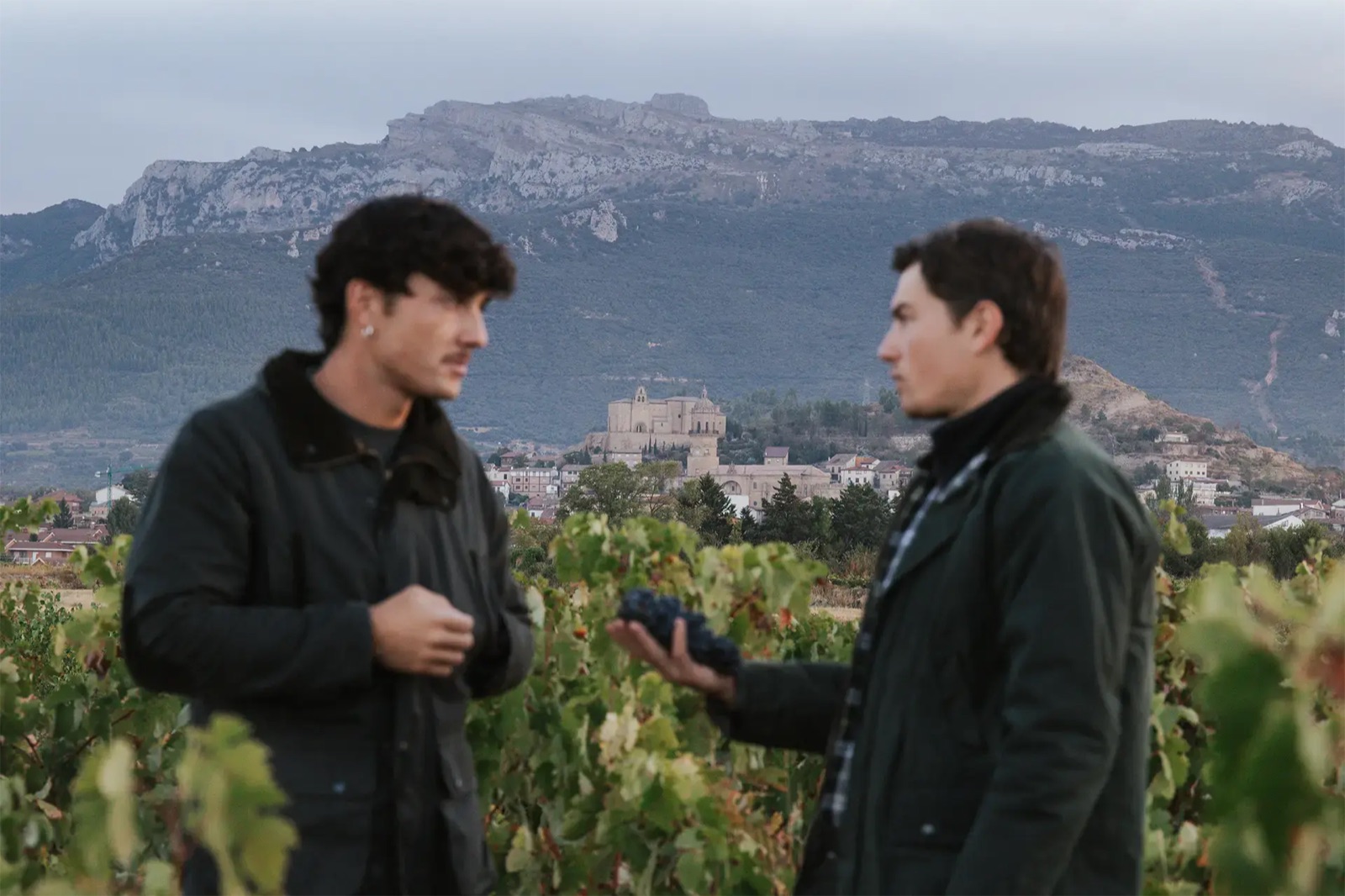
Labastida itself is worth the trip. It sits at the western edge of Rioja Alavesa, between the limestone wall of the Sierra de Toloño and the Ebro. It was first recorded in 1242 as Bastida, the fortified town, and it still wears that history: arched gateways, baroque mansions and old cellars tunnelled under the streets. About 1,500 people live there, and the vines shape both the local economy and the village’s sense of itself.
For visitors, the brothers say, Labastida is history, heritage and wine in one place. For them it is the reference point for everything.
Not alone
Área Pequeña is also one of nine family wineries in Subsierra, an association formed in 2024 by growers and winemakers in Rioja Alavesa and Rioja Alta whose vines all shelter beneath the Sierra de Cantabria, on the left bank of the Ebro. Their stated aim is to build a hopeful future for their children and grandchildren through sustainable farming and wines that reflect their origin.
Which brings us back to that motto. Old vines, separate parcels, long ageing, a village association built for the grandchildren — none of it is fast. But all of it is today’s work, done properly, without waiting for tomorrow.
Read more about Área Pequeña and their wines.
- Rioja Alavesa
- Labastida
- Tempranillo
- Single vineyard
Meet the producer
The newsletter
Una Copa, in your inbox.
New stories from the boutique wineries we work with, notes from the vineyard and the cellar, and the odd recipe. No spam, and you can unsubscribe at any time.