Lanciego · Rioja Alavesa
Señorío de Lanciego
Siblings Cristina and Diego Blanco make Rioja Alavesa from their family's old Tempranillo vines in Lanciego, beneath the Sierra de Toloño — including two single-parcel wines from vineyards planted by their grandparents.
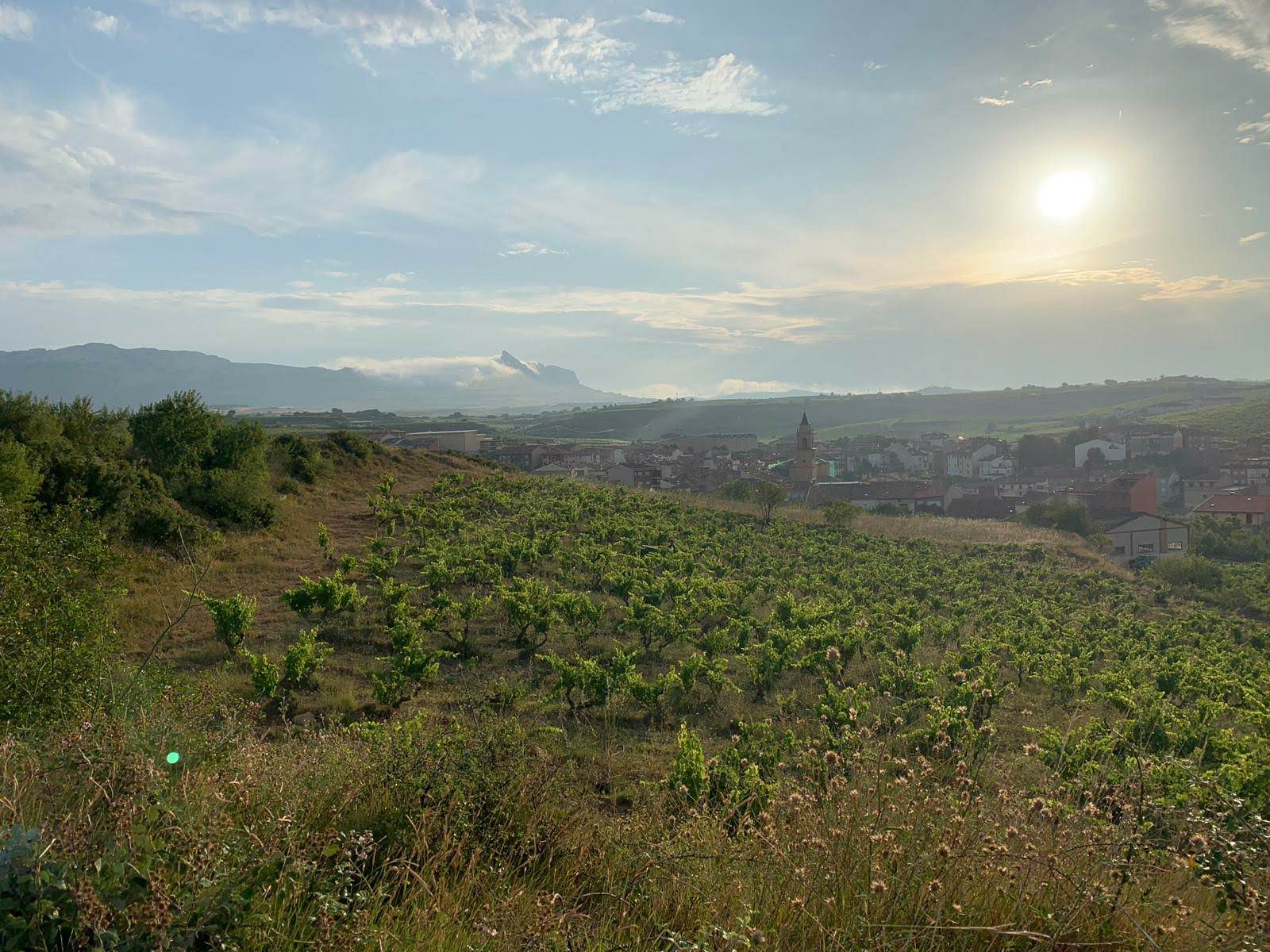
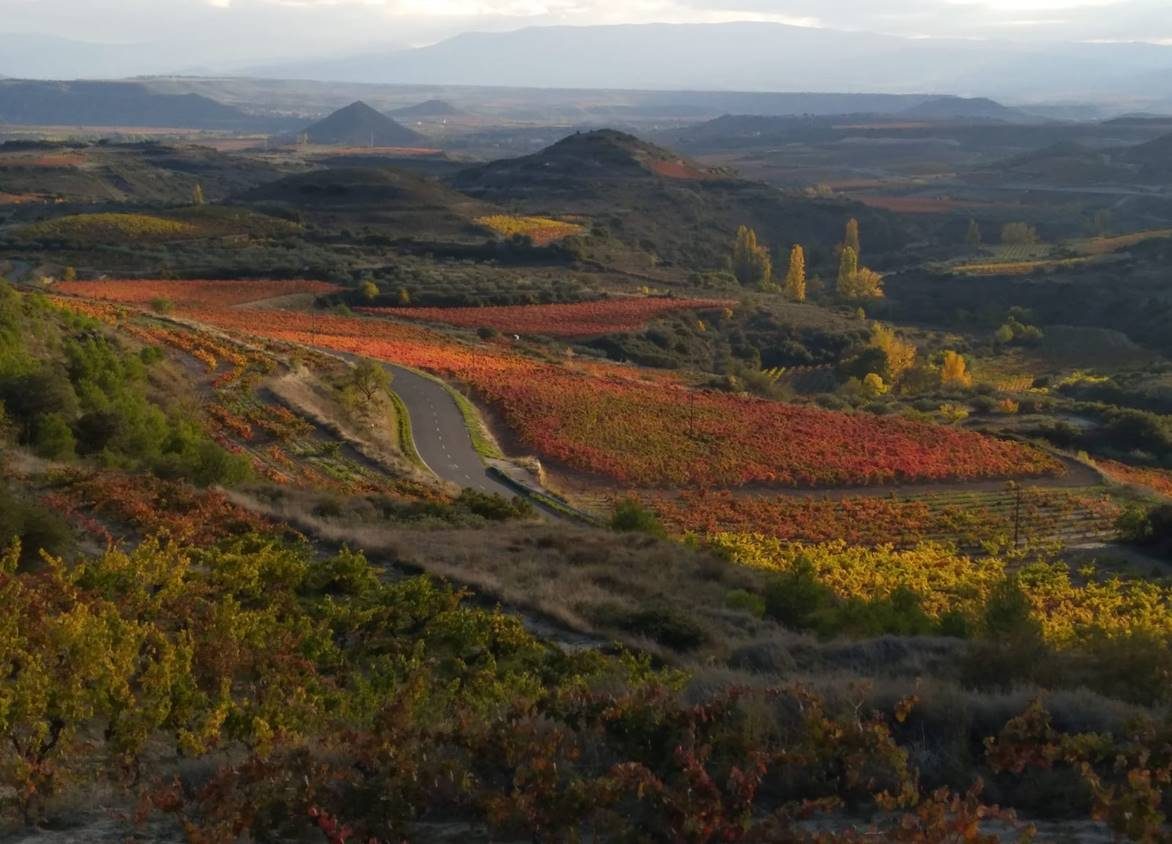
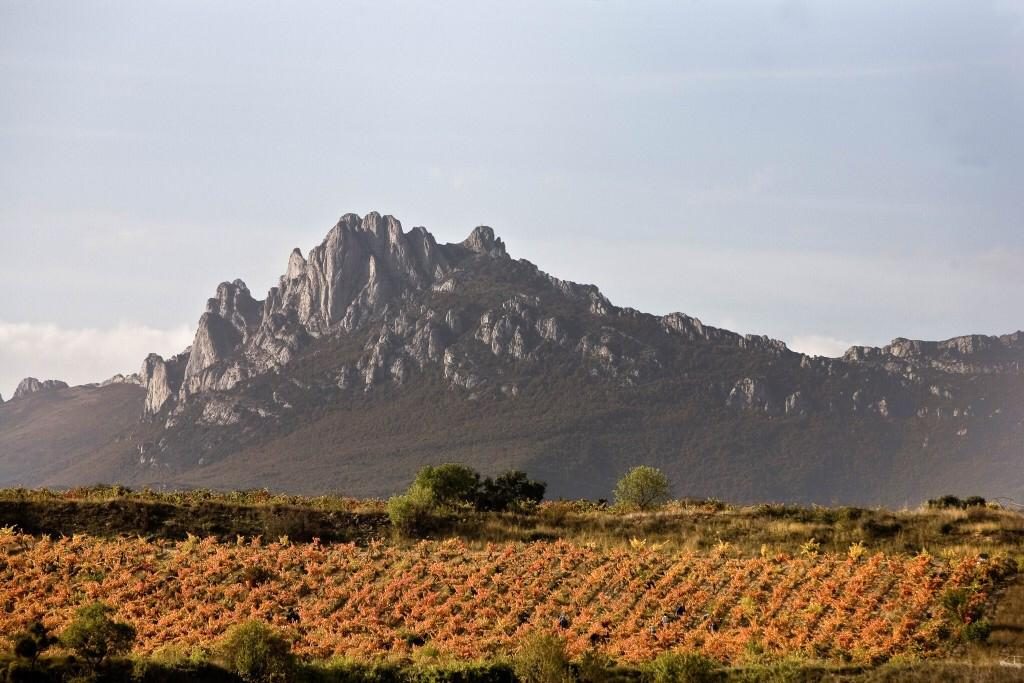
Lanciego sits on the southern slopes of the Sierra de Toloño, at the eastern end of Rioja Alavesa, in the strip of vineyards that runs between the mountains and the Ebro. The Blanco family has farmed vines here for generations. At the end of 2013, Cristina and Diego Blanco decided to carry on what their parents had started, and to turn the family's vineyards into a bodega of their own: Bodegas Blanco Pérez de Azpillaga, whose wines carry the name Señorío de Lanciego.
The vineyards
The family has 23 hectares around the village, planted by the siblings’ grandparents and parents. The vines average around fifty years old, and the oldest parcels are more than ninety. They sit between 500 and 700 metres, mostly facing south.
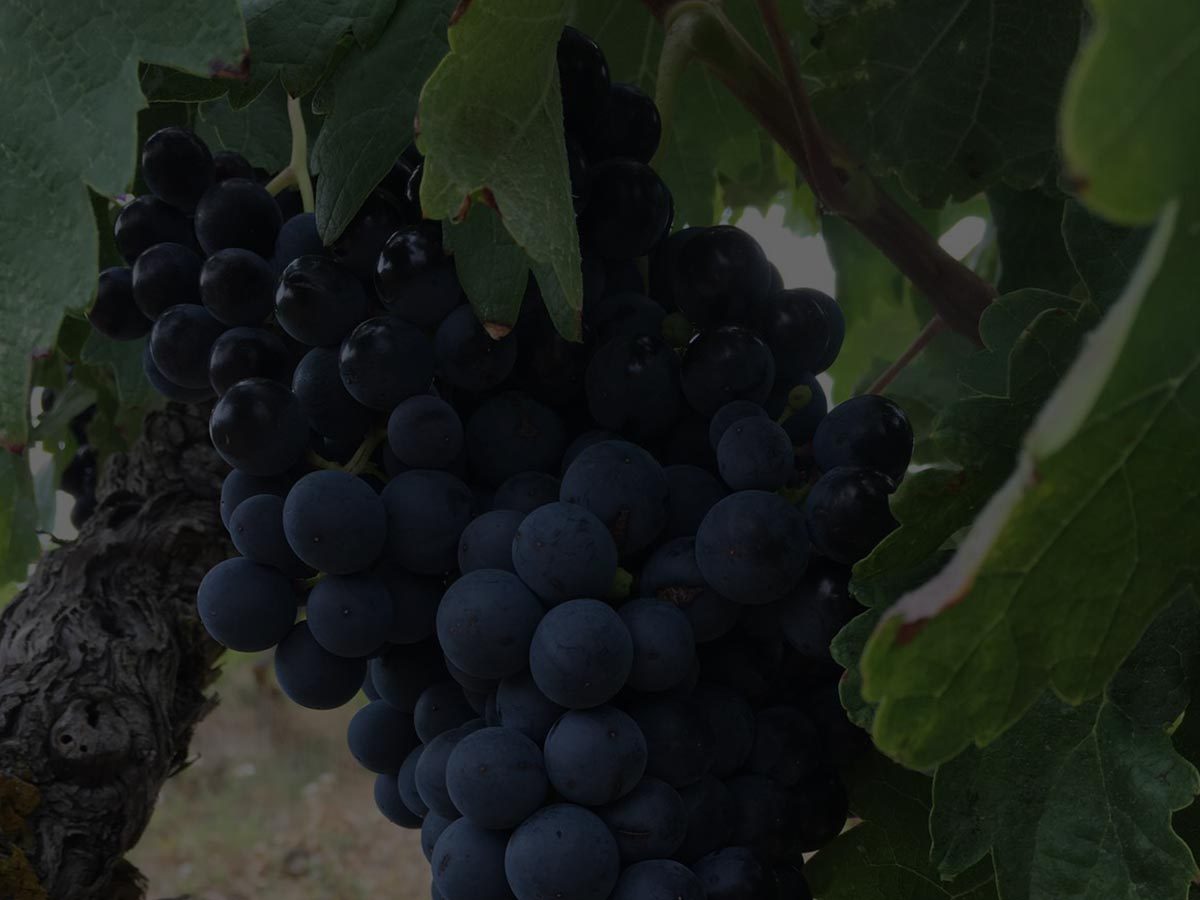
The sierra makes this a special place to grow grapes. It shelters the vines from the cold, wet winds off the Bay of Biscay, so the slopes below are drier and warmer, and the grapes ripen well. The soil is poor, chalky clay, which keeps yields low and gives small bunches of small, concentrated grapes. Most of what grows here is Tempranillo, and has been since phylloxera wiped out the old vineyards in the 1890s.
Farming and winemaking
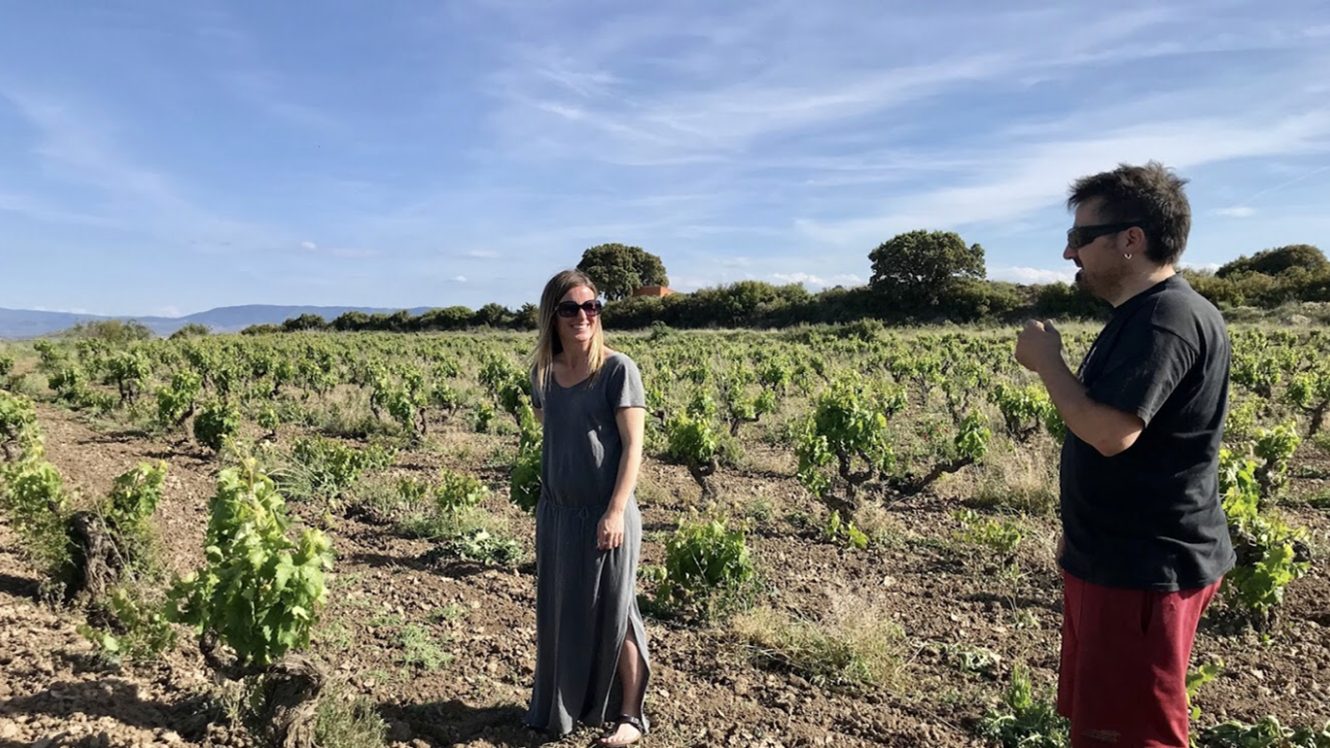
Cristina and Diego describe the vineyard as a living thing that they know and look after. They work their parcels by hand and add new practices each year that follow the land’s natural cycles. The aim is to farm as sustainably as they can, and to make wines that taste of the place they come from.
That shows most clearly in their two parcel wines. Las Canteras comes from a single vineyard of bush vines planted in 1931, and La Lonja from another of the family’s parcels. Both are picked by hand, fermented with wild yeasts in small open vats, punched down by hand rather than pumped over, and finished in barrel.
The range
Alongside the parcel wines, there is a fresh young Tempranillo (the Joven), a Crianza and a Reserva, all from the family’s own vines, and La Viura Alegre, a lively young white from Viura.
In the glass
The wines
-
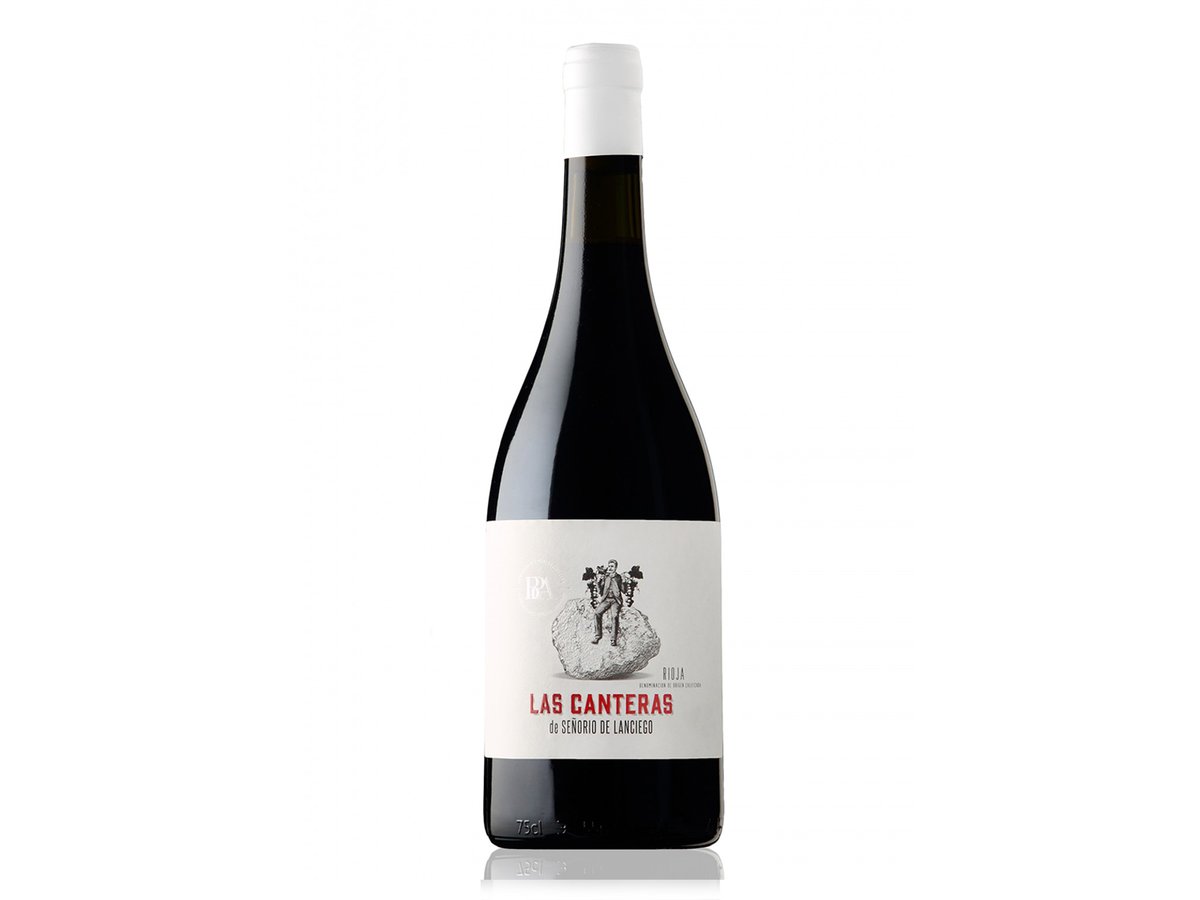 Red · single vineyard, planted 1931
Las Canteras
Three-quarters of a hectare of bush-trained, dry-farmed Tempranillo at 542 metres — just 2,400 vines. Picked by hand into small crates and fermented with wild yeasts in open 1,000-kilo vats, punched down by hand. Red fruit, a mineral edge and real power, with a texture that wraps around you.
-
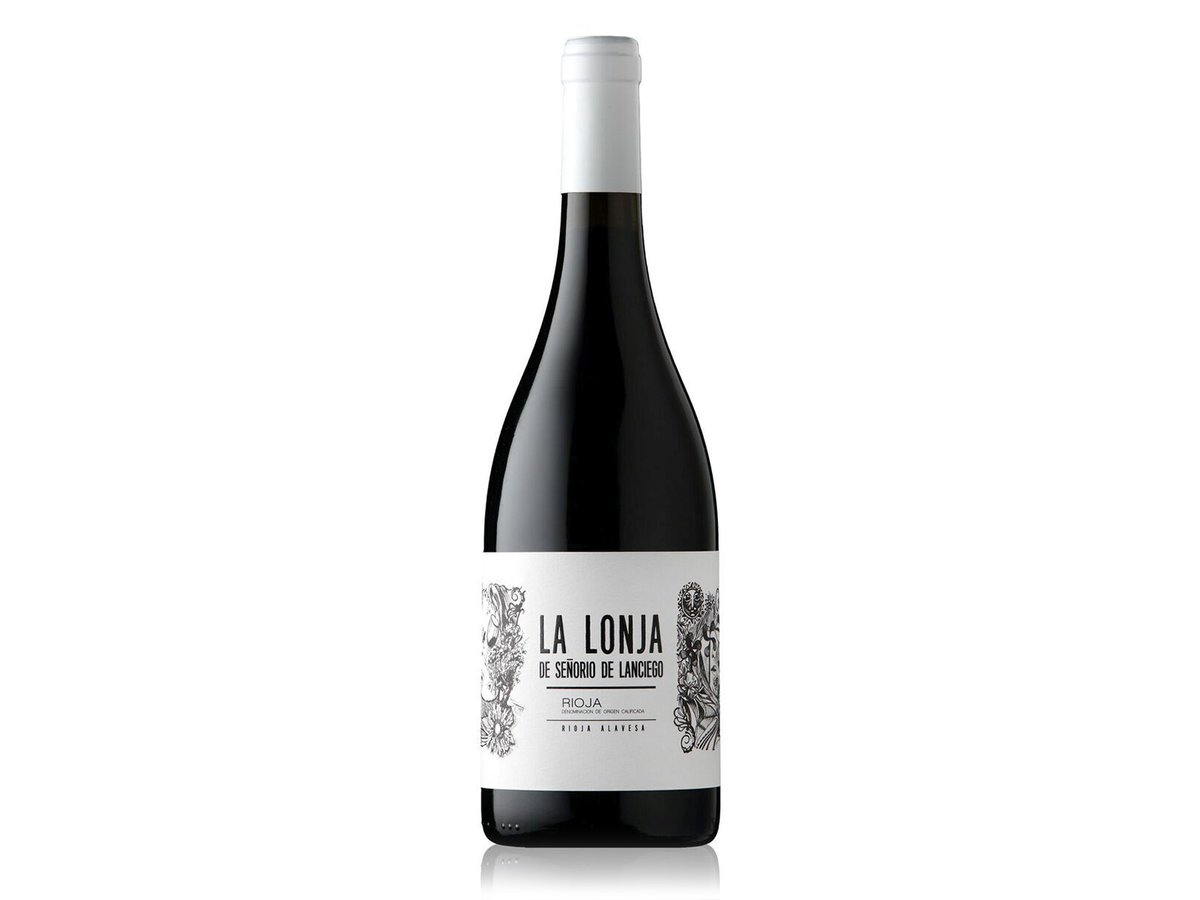 Red · single-vineyard Tempranillo
La Lonja
Wild-yeast fermented in open vats and punched down by hand, then ten months on its lees in French oak. Deep purple, with black fruit, violets, spice and a fine mineral streak from the parcel; silky, round and long.
-
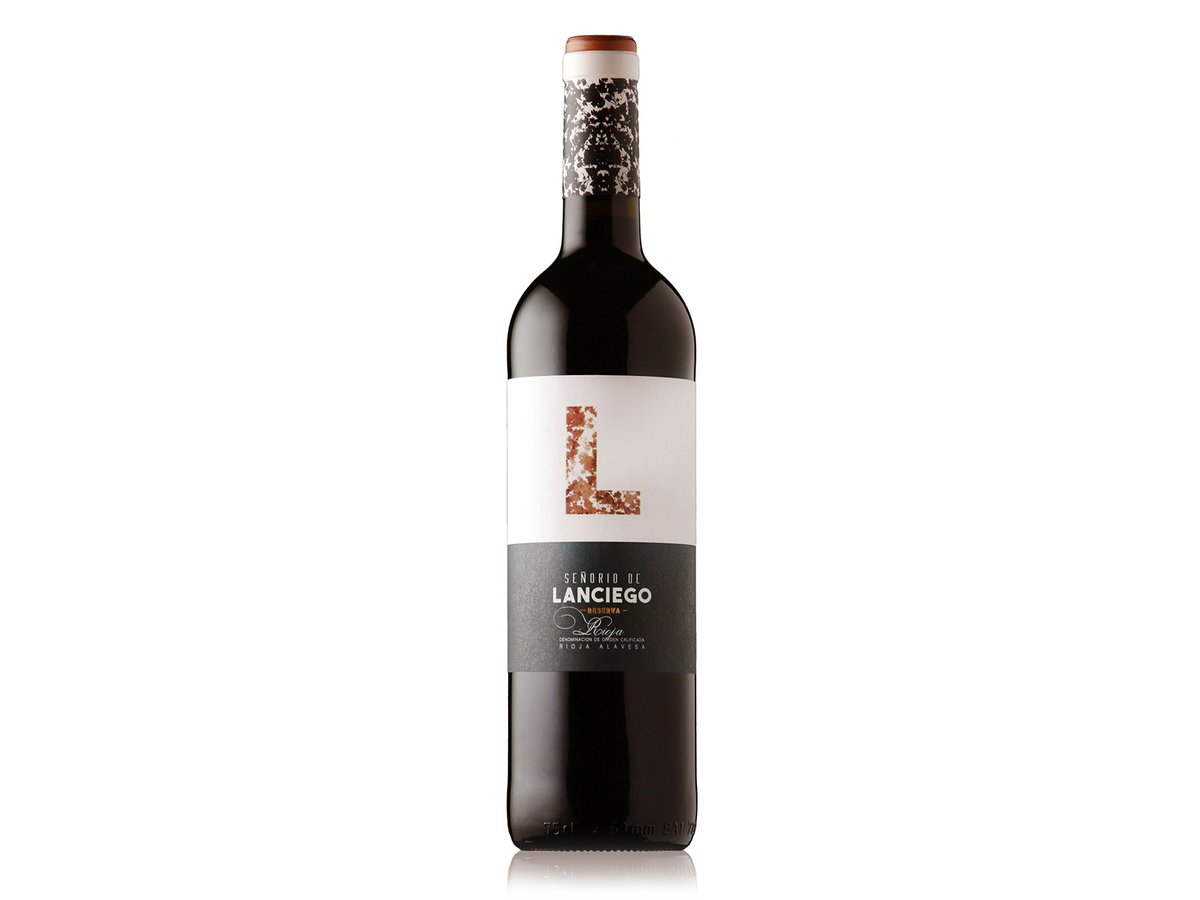 Red · Tempranillo, 20 months in oak
Reserva
From the family's older Tempranillo, aged twenty months in French oak before resting in bottle. Ripe black fruit wrapped in the polish of long ageing; savoury, fresh and firm, with fine tannins and a long, broad finish.
-
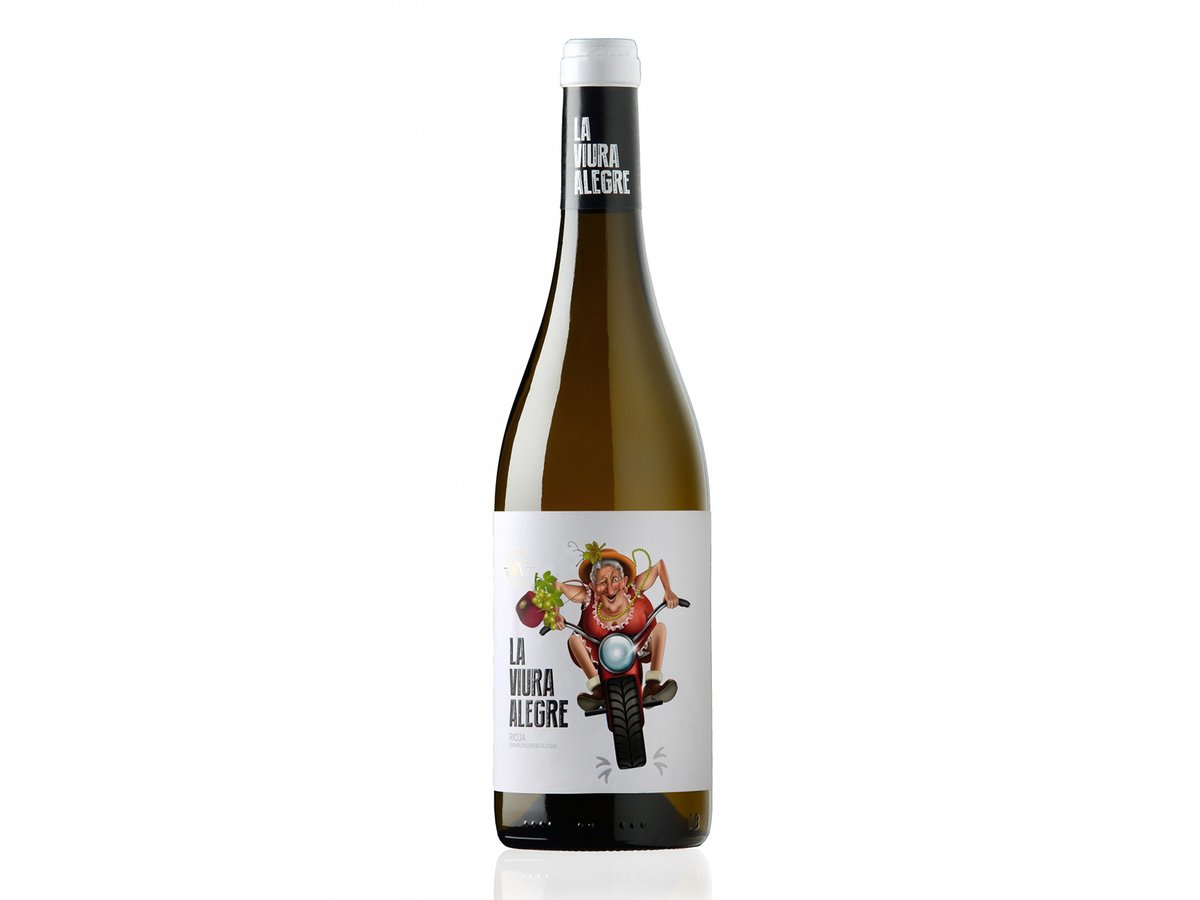 White · Viura
La Viura Alegre
A young, hand-picked white made the traditional way. Pale and bright, with white fruit and an elegant floral note; clean, fresh and mouth-filling, with balanced acidity.
Photographs from Señorío de Lanciego